Matt Loui – CapCut Lab
$199.00 Original price was: $199.00.$45.00Current price is: $45.00.

Introduction: The Rise of Smart Video Creation
The modern content economy runs on short-form, visually engaging video, where attention spans are limited and competition is intense across every platform. Creators today are no longer judged only by creativity, but also by speed, consistency, and technical polish. In this fast-moving digital environment, structured learning systems and creator-focused editing frameworks are becoming essential tools rather than optional extras.
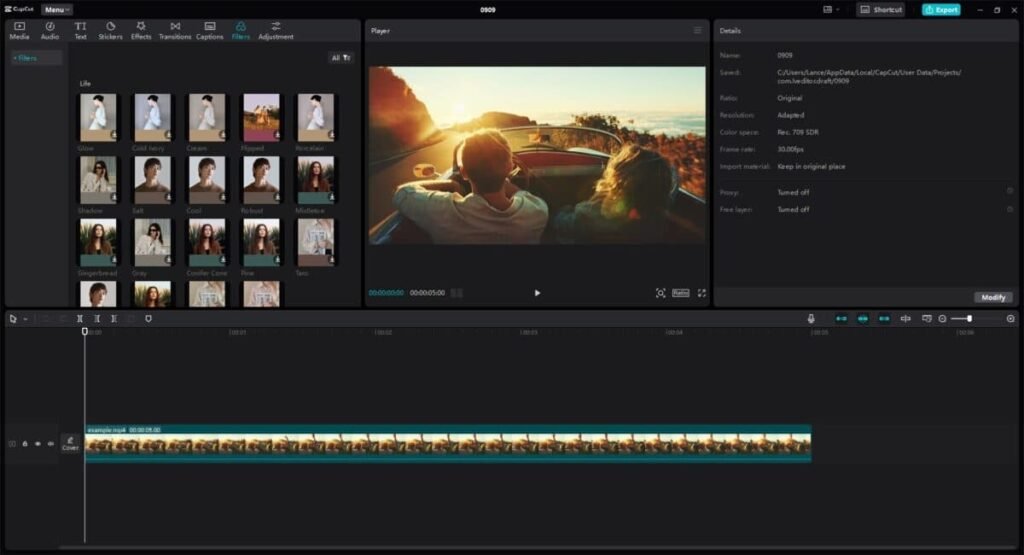
One such emerging creative system that has attracted widespread attention is Matt Loui – CapCut Lab, a concept that blends technical efficiency, design psychology, and platform-specific optimization into a practical editing approach. Rather than focusing only on tools, this ecosystem emphasizes how creators think, structure, and deliver video experiences that feel professional, engaging, and algorithm-friendly.
This deep-dive explores the philosophy, components, workflow, benefits, and long-term potential of this creative model, offering a complete perspective for aspiring editors, influencers, marketers, and digital entrepreneurs.
Understanding the Core Concept
At its foundation, this creative lab is not simply about editing software. It is built around the idea that video creation should follow a system, one that reduces guesswork, speeds up production, and improves visual consistency across platforms.
Instead of randomly applying effects, creators are guided to work through modular processes: concept design, asset preparation, scene rhythm, text animation strategy, sound layering, and export optimization. Each stage supports the next, forming a repeatable structure that allows creators to scale content without sacrificing quality.
This approach mirrors professional studio pipelines, but is adapted for individual creators who work on mobile or lightweight desktop setups.
Why Structured Editing Matters in 2026
Today’s video landscape is dominated by algorithm-driven platforms where clarity, pacing, and retention matter more than raw footage quality. Even visually stunning clips fail if they lack narrative flow or immediate hooks.
A structured creative lab approach addresses this challenge in three major ways:
It reduces creative friction, allowing editors to move quickly from idea to finished video.
It standardizes visual language, which builds brand recognition and professional identity.
It aligns content with platform behavior, improving reach, engagement, and watch time.
By working within a repeatable system, creators avoid burnout, eliminate inconsistency, and transform editing into a predictable creative process rather than an exhausting experiment.
Key Pillars of the Creative Lab System
1. Visual Architecture
Every strong video begins with visual planning. This includes composition, motion balance, color intent, and spacing for text overlays. Instead of editing randomly, creators design a visual roadmap before importing clips.
This stage focuses on:
Scene framing logic
Vertical-first storytelling
Consistent typography zones
Emotional color mapping
Motion hierarchy
The result is content that feels intentionally designed rather than assembled.
2. Motion and Timing Strategy
Motion is the emotional engine of short-form video. The creative lab system emphasizes rhythm over random transitions. Editors learn to sync movement with music accents, spoken emphasis, and attention drops.
Important motion principles include:
Micro-movement layering
Dynamic entry and exit pacing
Beat-aligned transitions
Text motion psychology
Visual breathing space
This creates videos that feel alive without being chaotic.
3. Template Intelligence
Templates are treated not as shortcuts, but as strategic assets. Each template is designed to solve a problem: hook speed, story flow, emotional intensity, or brand consistency.
Rather than reusing templates blindly, creators are encouraged to deconstruct them, understand their logic, and customize them into personal frameworks. Over time, this builds a private library of reusable structures that dramatically accelerate production.
4. Story Engineering
Editing alone does not create viral content. The system integrates narrative science, ensuring that every clip contributes to a psychological journey.
Core storytelling components include:
Curiosity triggers
Visual promises
Tension stacking
Emotional pacing
Resolution payoff
By aligning editing choices with story mechanics, creators design content that holds attention beyond surface aesthetics.
Workflow Breakdown: From Idea to Export
A defining strength of this lab methodology is its step-by-step workflow, which transforms chaos into clarity.
Phase One: Ideation and Scripting
Before editing begins, creators outline:
Viewer intent
Emotional goal
Visual tone
Structural beats
Platform context
This prevents wasted editing time and ensures creative alignment.
Phase Two: Asset Preparation
Clips, sound effects, overlays, text snippets, and branding elements are collected and organized. This mirrors professional production houses, where preparation saves hours during editing.
Folders are structured by:
Video segments
Motion elements
Typography sets
Audio layers
Visual effects
Phase Three: Structural Assembly
Here, creators place clips into a narrative skeleton. The goal is flow, not polish. Timing, cuts, and pacing are established before effects are applied.
This ensures that visual enhancement never masks weak storytelling.
Phase Four: Motion and Enhancement
Once structure is solid, creators add:
Kinetic text
Dynamic transitions
Emphasis zooms
Color shaping
Sound design layers
This stage brings emotional depth and brand personality into the content.
Phase Five: Optimization and Export
The final stage focuses on:
Platform resolution ratios
Bitrate balance
Caption spacing
Thumbnail framing
Algorithm-friendly duration
The export process becomes strategic rather than mechanical.
Who Benefits Most from This Creative Model?
This system adapts across multiple creator profiles.
Content Creators and Influencers
Daily content demands speed without quality loss. The lab model allows influencers to produce consistently polished videos while maintaining a recognizable visual identity.
Freelance Editors
Freelancers gain workflow discipline, improving client satisfaction, turnaround time, and pricing confidence.
Marketing Teams
Brand teams use the structured system to maintain visual coherence across campaigns while allowing flexibility for trends and experiments.
Educators and Coaches
Educational creators benefit from story engineering tools that improve clarity, engagement, and viewer retention.
The Psychological Advantage
One overlooked benefit of structured creative labs is psychological stability. Random editing produces fatigue, self-doubt, and inconsistency. A defined system:
Reduces decision overload
Encourages creative confidence
Builds measurable improvement
Supports long-term scalability
This mental clarity often becomes the hidden factor behind creator longevity.
Long-Term Creative Growth
Beyond short-term editing improvements, this approach fosters deeper creative development.
Over time, creators develop:
A unique motion signature
A recognizable narrative rhythm
A scalable content engine
A repeatable monetization pipeline
Instead of chasing trends blindly, they evolve into visual architects who design their own creative ecosystems.
Future of Editing Labs
As platforms grow more competitive, editing will continue shifting from technical skill to strategic design. The next generation of creators will not simply use tools; they will operate creative systems.
Integrated labs will likely expand to include:
AI-assisted structure planning
Behavioral data-driven pacing
Adaptive template intelligence
Brand psychology modeling
Cross-platform narrative mapping
The creators who thrive will be those who treat editing as a professional discipline rather than a hobby.
Final Thoughts
The rise of structured creative labs reflects a broader shift in digital creation. Success no longer depends only on talent, but on systems, clarity, and repeatability. Matt Loui – CapCut Lab represents this evolution, focusing on how creators think, design, and execute rather than simply which buttons they press.
For anyone serious about building authority, scaling production, or transforming content into a long-term asset, this approach offers not just techniques, but a creative philosophy. It turns editing into a strategic advantage and content into a professional craft.